Fittings for the Complementary Therapies Sector
interior design solutions for the herbal and complementary medicine product sector
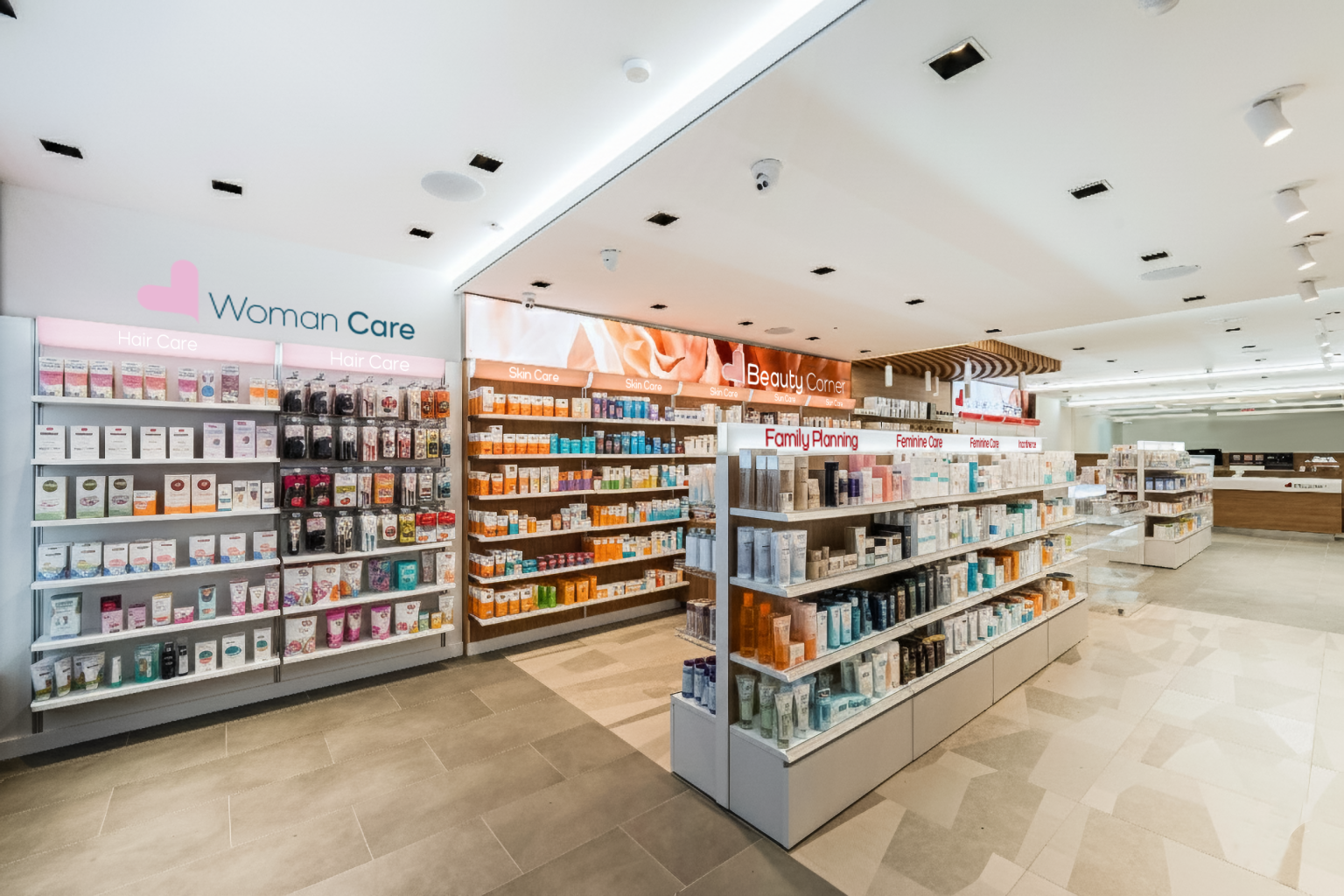
The pharmacy of the new millennium is in continual expansion. The range of products on offer is constantly multiplying and fittings with new technology is becoming ever more popular among consumers. As a result, it is very important to give each sales sector its own distinct identity in order to display products effectively and in turn makes the more recognisable.

Many chemists, pharmacies and drug stores tend to specialise, attempting to differentiate themselves from the competition by developing a range of niche products. Furnishings are part of this process the areas of the shop dedicated to these niche products are furnished so as to make the separate the area visual from the rest of the pharmacy and make the products as eye catching as possible.

Therefore, it is increasingly important to display of these so-called natural products effectively and offer consumers a more holistic image of well-being. This could be described as akin to a natural oasis where colours and materials are in perfect harmony, radiating tranquillity and peace of mind.
Such a natural atmosphere as described above must confirm the validity of the beneficial and therapeutic effects of the as well as the certified pharmacological tests.
Terms like “well-being”, “nature”, “herbal remedies” are frequently heard in conversation and have modified the way we live our life, since taking good care of our body is not just about fashion, but more about wellbeing and good health in general.
The desire for natural foods and herbal remedies has lead to a growth in the natural product sector (complementary medicine, aromatherapy, health foods and plant and berry extracts).
Sartoretto Verna has designed a furniture series that is specially designed to attract attention to the complementary therapies sector. The display units are designed after 16th century Renaissance cabinets, preserving their simplicity and charm as well as making the homeopathic, dietetic and wellness specialty areas stand out. They are made out of bicoloured wood with pilasters and gold frames and have been treated with wax to give them that aged feel. Their semi-circular marble topped counters have been designed to allow electrical cables to pass through safely and come with either smooth fronts painted withtrompe l’oeils or a classical front with pilasters.
A predominately pastel colour scheme adds a pleasant contrast and helps give the sector its own easily recognisable ambience that attracts the customer’s attention. Furthermore, customers can move freely around the furniture, browse, pick up and smell the various natural products on display, as well as loose themselves in this green corner, which succeeds in creating a microcosm of well-being.